

What is Broken Windows Theory?
Broken Windows Theory was introduced in 1982 by James Q. Wilson and George L. Kelling. It was made popular in New York City in the 90’s by police commissioner William Bratton and mayor Rudy Giuliani.
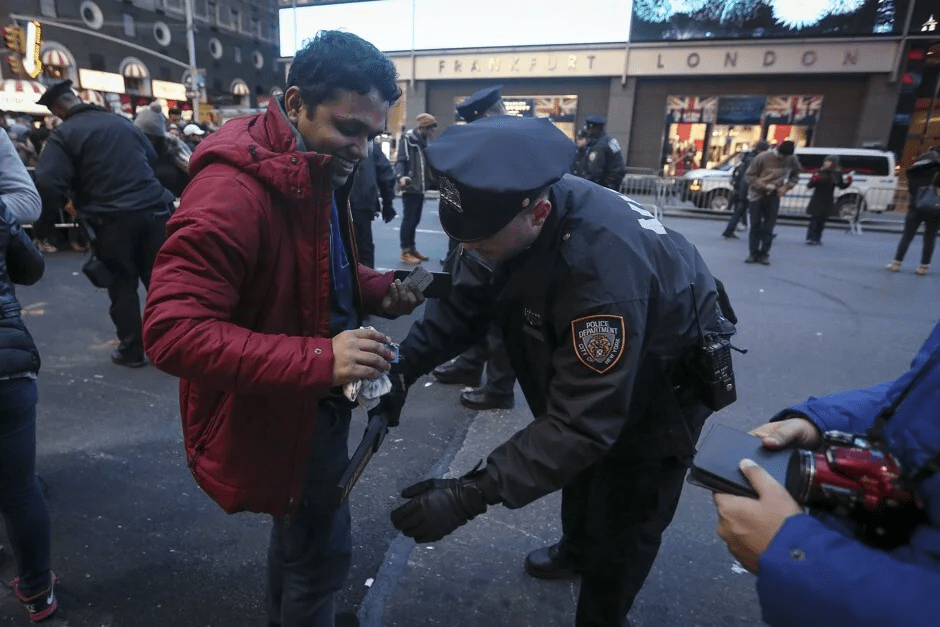
There, it became controversial as the theory was weaponized by a police state-of-mind and eventually led to absurd targeted policies such as “stop and frisk”.
Some argue against the theory as they try to claim its advocates believe it was an end-all answer to poverty and crime.
Broken Windows theory is a myth—a constructed pretense— about who the police can “stop and frisk”. It is a theory. One which I believe in. Why?
I am broken windows theory.
Broken Windows theory states visible signs of disorder and misbehavior in an environment encourage further disorder and misbehavior.
If the window is broken, and no one cares to fix it. Because no one cares about this place you live in, why should you?
I am half Japanese and half white, mostly German. I grew up in low-income, “Urban” communities. LA, Phoenix, Joliet, Chicago, and bottom-of-rung of Madison, WI. In a multiracial, mixed household (Black, White, Mexican, Japanese and Hatian), I didn’t fit in anywhere I went without concentrated effort. In the environment where I grew up, hope was talked about and not so much held. Everyone has heard the statement, “You can be anything you want.” The truth is most of us aspire to our parentage and environment. We aspire to survive as they have or maybe a little better. The idea that you can truly make of yourself as you want is only a dream to most of us who grew up “Urban”.

I became my environment, which was not who I really was. I did all the things that the urban environment will teach you. Somehow I came out the other side: a parent, a husband and a tax paying homeowner who owns his own general contracting business.
If it wasn’t for friends and mentors along the way that showed me there was something more to aspire to, better environments to seek, ways to improve the environment you’re in, I would still be trapped in that mindset.
It starts by caring.
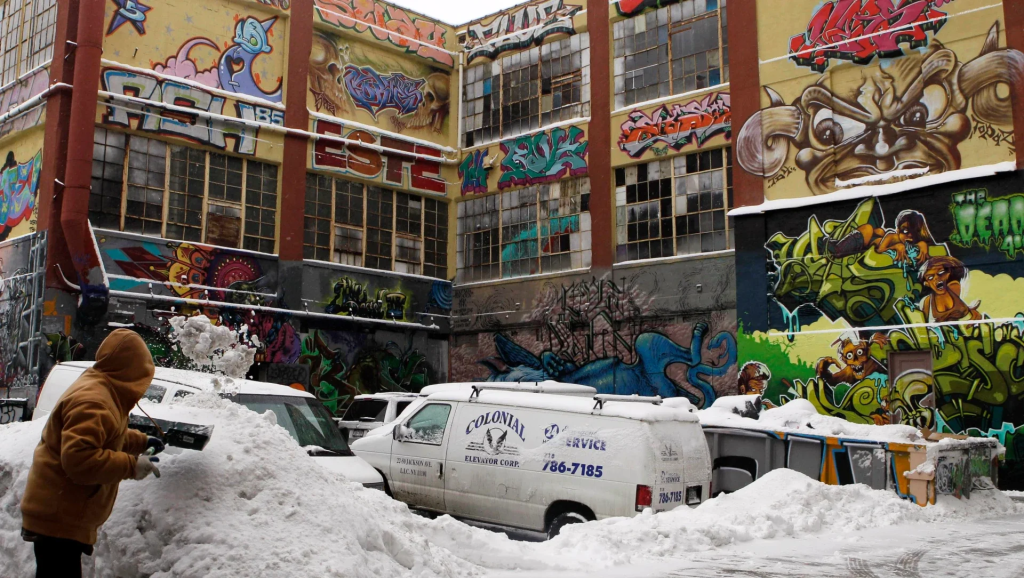
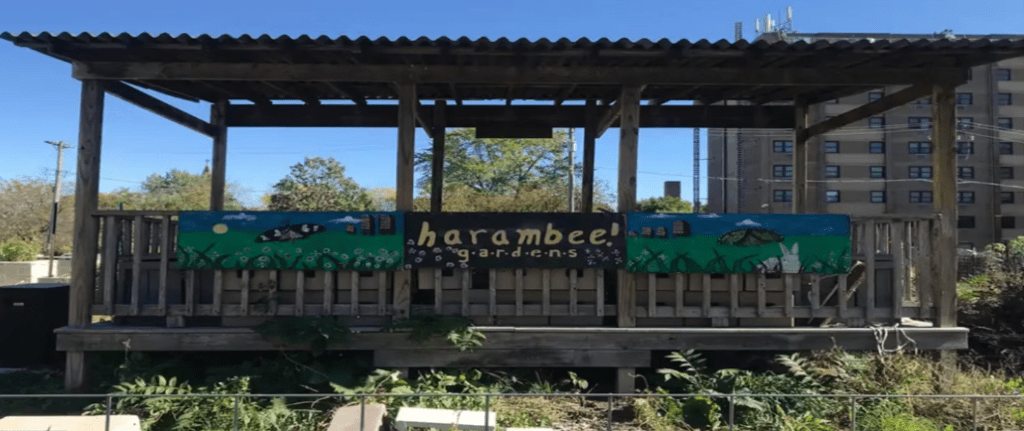
In Chicago a man named Seamus Ford started a project called Harambe Community Gardens. That project exploded with community interaction. Neighbors gathered and participated in cleaning up five inner city blocks. There now stands a community garden of brilliance. The project brought members of the community together from diverse walks of life. Which spurred local community change including: the neighborhood savings on food, housing programs to keep homeowners in their homes, reduction of gas and fuel emissions, increased participation of youth and teens in the community gardens, and feelings of belonging that would otherwise be missing from many lives in poor urban communities. AND there are almost no broken windows for blocks around. The Harambe Gardens neighborhood has had lower crime as well.
What can CT Contracting Inc. do with broken windows? Well we fix them for one! Metaphorically though, we intend to use a reimagined Broken Windows Theory principle to guide our community-based mission to make Madison neighborhoods better. As a youth, I craved more order, more signs of security, more signs that someone cared. As an adult, I’m a General Contractor. I was a vandal as a youth, because I didn’t think anyone cared. Now I want to show youth in my own neighborhoods that someone does care, and so should they—about their neighborhood, about their goals, about themselves.
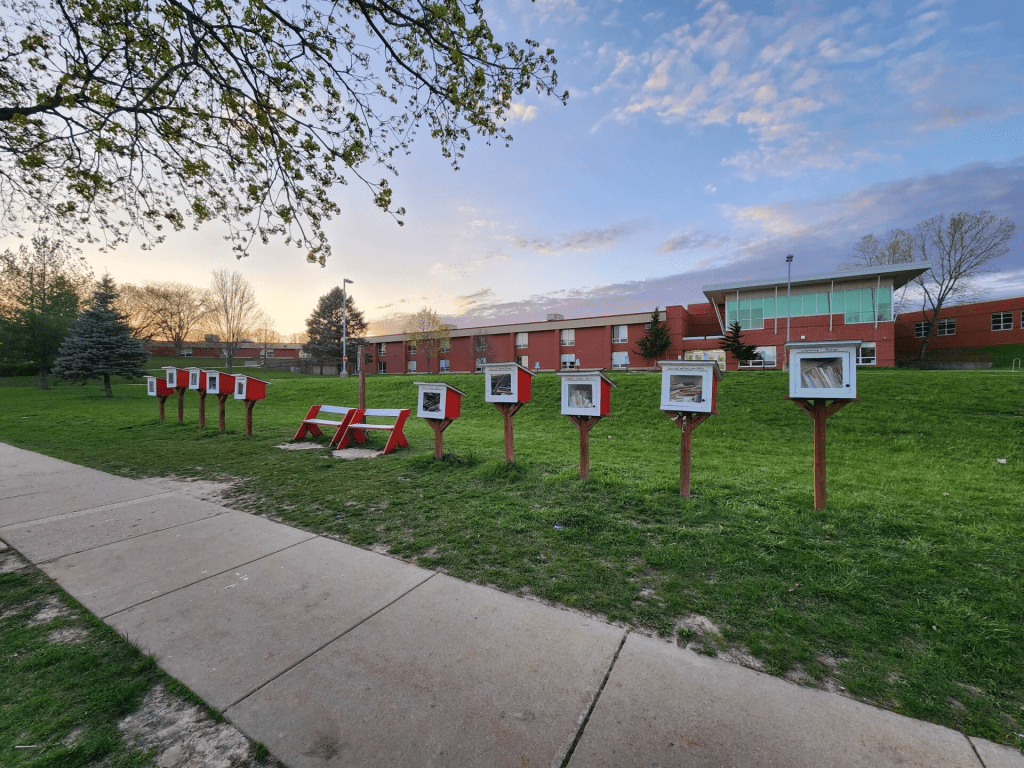
I would like to present our first community service work as CT Contracting Inc. My daughters attend Leopold Elementary School. Out front of the school there is a series of Free Library Boxes, donated by a good samaritan some years ago. The plaque that stood there had been damaged beyond reading. The library box doors were all mangled and torn mostly from the hinges. My mother in law Deborah Langsdorf, President of Wisconsin’s Mensa Chapter, brought it up to me saying, “I really would like to do something about this!” When I saw them,, I was dismayed. I could tell they were once a valued resource . It would take me and my top guy less than a day’s labor to make it right and paint the benches That sit nearby to match. Deborah got on the communications and located the paint and permissions to fix them and we got to work! Since we got the boxes all tip-top again, we have found two doors ripped off again. We fixed them promptly, without fuss or grudge.
Remember, I was that vandal.
Maybe if we keep fixing things—the things that signal a lack of caring—the youths attacking the library boxes will realize someone cares. And who knows, maybe *they* will even start to care.
Some other related articles:
https://mappedchicago.org/projects/harambee-community-garden
 CT Contracting Inc